


વૈશ્વિક સપ્લાય ચેઈન: AI-આધારિત ક્રાંતિનો પ્રારંભ
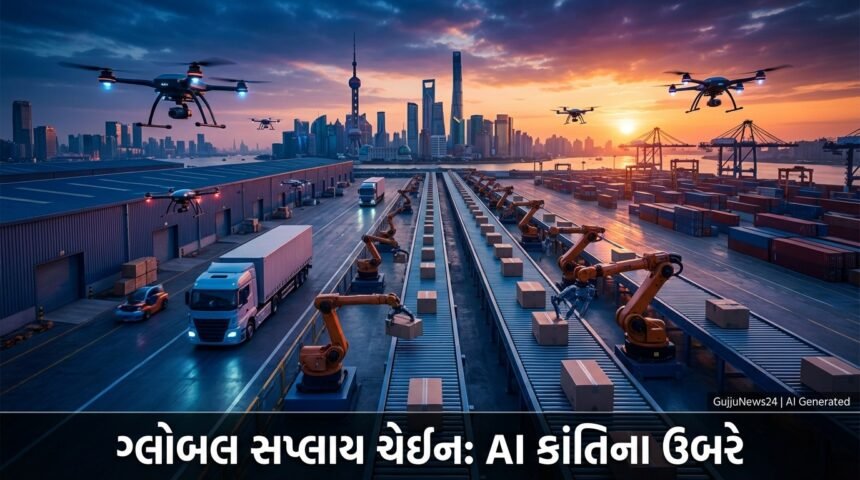
વૈશ્વિક અર્થતંત્રના પાયા સમાન સપ્લાય ચેઈન (supply chain) મેનેજમેન્ટમાં એક monumental પરિવર્તન આવી રહ્યું છે, જે આર્ટિફિશિયલ ઇન્ટેલિજન્સ (AI) અને ઓટોમેશન દ્વારા સંચાલિત છે. તાજેતરમાં, ચીન (China) માં એક સંપૂર્ણપણે AI-સંચાલિત (AI-powered) લોજિસ્ટિક્સ સેન્ટર (logistics center) શરૂ કરવામાં આવ્યું છે, જે દર્શાવે છે કે માનવ કામદારો વિના autonomous AI robots દ્વારા સંપૂર્ણપણે કાર્યરત છે. આ વિકાસ લોજિસ્ટિક્સ ઉદ્યોગમાં efficiency અને cost-effectiveness માટે એક નવો standard સ્થાપિત કરી શકે છે. 2026 ના પ્રારંભમાં, AI લોજિસ્ટિક્સનું બજાર $38.68 બિલિયન (billion) ને વટાવી ગયું છે, જે એક વર્ષ પહેલાની સરખામણીમાં એક મોટો ઉછાળો છે, જે આ ક્ષેત્રમાં ઝડપી વૃદ્ધિ અને adoption દર્શાવે છે. આજે, મોટાભાગની કંપનીઓ તેમના દૈનિક કાર્યોને હેન્ડલ કરવા માટે autonomous supply chain નો ઉપયોગ કરી રહી છે.
- વૈશ્વિક સપ્લાય ચેઈન: AI-આધારિત ક્રાંતિનો પ્રારંભ
- સપ્લાય ચેઈન ક્રાંતિનો ઉદય: Self-Healing Systems
- ડિજિટલ ટ્વીન્સ અને ભવિષ્યવાણીનું વિજ્ઞાન
- સ્વયંસંચાલિત ફ્લીટ્સ અને વેરહાઉસિંગ
- આર્થિક અસરો: નફો, કાર્યક્ષમતા અને જોખમ વ્યવસ્થાપન
- શ્રમ બજાર પર અસર અને નવી કૌશલ્યની જરૂરિયાત
- વૈશ્વિક વ્યાપારમાં પરિવર્તન
- ભવિષ્યના પડકારો અને તકો
- ભારત અને વિકાસશીલ બજારો માટે સંભવિતતાઓ
- નિષ્કર્ષ
સપ્લાય ચેઈન ક્રાંતિનો ઉદય: Self-Healing Systems
છેલ્લા કેટલાક વર્ષોથી વૈશ્વિક સપ્લાય ચેઈન factory shutdowns, port congestion, labor gaps, climate shocks અને geopolitical tension જેવા અનેક પડકારોનો સામનો કરી રહી છે. આ પડકારોના કારણે પરંપરાગત મેન્યુઅલ ફિક્સેસ અને reactive planning અપર્યાપ્ત સાબિત થયા છે. 2026 સુધીમાં, અનેક leaders એ આ કડવી વાસ્તવિકતા સ્વીકારી લીધી છે અને તેનું સ્થાન AI-સંચાલિત Self-Healing Supply Chains લઈ રહ્યા છે. આ self-healing supply chains માત્ર disruptions નો response આપતી નથી, પરંતુ જોખમને વહેલું પારખીને, સ્વયં નિર્ણય લઈને અને માનવ હસ્તક્ષેપ વિના પુનઃપ્રાપ્ત થઈ શકે છે. આ પરિવર્તન reactive “firefighting” થી Anticipatory Logistics તરફનું છે, જ્યાં competitive advantage “Information Advantage” માં જોવા મળે છે – એટલે કે disruption ને ત્રણ અઠવાડિયા પહેલા જોઈ શકવાની ક્ષમતા.
આ નવીનતાના કેન્દ્રમાં Agentic AI આવેલું છે, જે પરંપરાગત AI tools થી વિપરીત માત્ર forecasts, alerts કે optimization recommendations જ આપતી નથી, પરંતુ autonomous action લેવા સક્ષમ છે. આ smart agents live operational data ને monitor કરીને delays, congestion કે capacity shortfalls જેવા risks ને ઓળખી શકે છે અને rerouting, rescheduling કે reprioritisation જેવી corrective actions શરૂ કરી શકે છે. ઉદાહરણ તરીકે, જો કોઈ port strike થાય, તો agentic AI મેનેજરની રાહ જોયા વિના નવા carriers ને સ્કેન કરીને fresh digital contracts કરી શકે છે. આનાથી response times માં નોંધપાત્ર ઘટાડો થાય છે અને operations teams ને માત્ર ખરેખર જરૂરી exceptional cases પર ધ્યાન કેન્દ્રિત કરવાની તક મળે છે. SAP News મુજબ, AI agents supplier onboarding માં 50% સુધીનો ઘટાડો કરી શકે છે અને unplanned outages ને 30% સુધી ઘટાડી શકે છે.
ડિજિટલ ટ્વીન્સ અને ભવિષ્યવાણીનું વિજ્ઞાન
આધુનિક સપ્લાય ચેઈન મેનેજમેન્ટમાં Digital Twins (ડિજિટલ ટ્વીન્સ) એક crucial ભૂમિકા ભજવી રહ્યા છે. 2026 સુધીમાં, દરેક મુખ્ય સપ્લાય ચેઈન એક high-fidelity virtual replica તરીકે અસ્તિત્વ ધરાવે છે, વાસ્તવિકતામાં એક પણ crate ખસેડતા પહેલા. આ digital twins, IoT sensors અને satellite data દ્વારા feed થઈને, planners ને “what-if” scenarios ચલાવવાની મંજૂરી આપે છે – જેમ કે port strikes, fuel spikes કે hurricanes – અને સેકન્ડોમાં inventory પરની તેમની અસર જોઈ શકે છે. એક supply chain digital twin આખા network નું live virtual model બનાવે છે, જેમાં factories, inventory, transport routes અને customer demand નો સમાવેશ થાય છે. AI આ twin માં simulations ચલાવીને વાસ્તવિક દુનિયામાં લાગુ કરતા પહેલા નિર્ણયોનું testing કરે છે. DHL હાઈલાઈટ કરે છે કે digital twins નો ઉપયોગ કરતી કંપનીઓ planning accuracy માં 25% સુધીનો સુધારો અને disruptions દરમિયાન ઝડપી response જોઈ શકે છે. આ ક્ષમતા algorithmic resilience ને મજબૂત બનાવે છે.
સ્વયંસંચાલિત ફ્લીટ્સ અને વેરહાઉસિંગ
AI ક્રાંતિ માત્ર planning અને management પૂરતી મર્યાદિત નથી, પરંતુ તે ભૌતિક logistics માં પણ deeply embedded છે. autonomous vehicles, ખાસ કરીને “middle-mile” platooning માં, 2026 માં મોટા પાયે ઉપયોગમાં લેવાઈ રહી છે. 1+4 Platooning નો ઉદય થયો છે, જેમાં એક human-driven lead truck ને ચાર unmanned, autonomous trucks tightly, aerodynamic formation માં follow કરે છે. આનાથી fuel consumption માં 10% અને operating costs માં લગભગ 30% નો ઘટાડો થયો છે. વેરહાઉસિંગ (warehousing) માં પણ automation અને robotics નો વ્યાપક ઉપયોગ જોવા મળે છે. UVIONIX Innovations (USA) જેવા startups autonomous flying robots વિકસાવી રહ્યા છે જે stereo vision, RFID અને real-time cloud syncing નો ઉપયોગ કરીને warehouse inventory audits કરે છે. આનાથી warehouse operations માં transparency અને data digitization વધે છે. Agility AI જેવા startup logistics અને warehousing applications માટે practical bipedal robots બનાવી રહ્યા છે, જે uneven terrain અને human-designed spaces માં પણ navigate કરી શકે છે. આનાથી last-mile delivery અને warehouse operations માં efficiency વધી રહી છે.
આર્થિક અસરો: નફો, કાર્યક્ષમતા અને જોખમ વ્યવસ્થાપન
AI-આધારિત સપ્લાય ચેઈન transformation ના આર્થિક ફાયદા વિશાળ છે. 2026 માં, supply chain હવે માત્ર cost center નથી, પરંતુ એક Strategic Intelligence Asset છે. કંપનીઓ “Just-in-Time” ના બદલે “Just-in-Case” philosophy અપનાવી રહી છે, જે fragile efficiency થી intelligent resilience તરફનો shift દર્શાવે છે. Geopolitical uncertainty, climate change અને logistics bottlenecks જેવા પડકારો છતાં, નવી technologies માં વ્યૂહાત્મક રોકાણ operational efficiency વધારીને, risks ને ઘટાડીને અને innovative risk transfer solutions દ્વારા cost savings પ્રાપ્ત કરી શકે છે. Thomson Reuters ના 2026 Global Trade Report મુજબ, supply chain reliability એ top strategic priority બની ગઈ છે, અને કંપનીઓ supply chain issues ને enterprise risk તરીકે જોઈ રહી છે. AI-driven tools visibility, predictive analytics અને transaction compliance માં સુધારો કરીને efficiency વધારવામાં મદદ કરી રહ્યા છે.
વૈશ્વિક વેપારમાં tariffs, regulatory changes અને geopolitical developments ને કારણે જટિલતા વધી રહી છે. આવા વાતાવરણમાં, AI-સંચાલિત સપ્લાય ચેઈન companies ને ઝડપથી અનુકૂલન સાધવામાં મદદ કરે છે. BearingPoint ના અહેવાલ મુજબ, 90% થી વધુ executives અપેક્ષા રાખે છે કે AI 2030 સુધીમાં સપ્લાય ચેઈનને નોંધપાત્ર રીતે reshape કરશે. વધુમાં, સપ્લાય ચેઈન લીડર્સ હવે માત્ર resilience પર જ નહીં, પરંતુ whole business માં ‘Total Value’ પહોંચાડવા પર ધ્યાન કેન્દ્રિત કરી રહ્યા છે, જે sustainability અને profitable growth ને drive કરે છે. AI-driven planning, demand signals, inventory positions, capacity constraints અને transportation conditions ને continuously sense કરીને dynamic decisions લેવામાં સક્ષમ બનાવે છે. આનાથી orders ક્યાં fulfil કરવા, shipments ને કેવી રીતે route કરવા અને inventory ને warehouses, stores અને transportation networks માં કેવી રીતે reroute કરવા તે અંગેના નિર્ણયો dynamic રીતે લઈ શકાય છે.
શ્રમ બજાર પર અસર અને નવી કૌશલ્યની જરૂરિયાત
AI અને automation નો વધતો ઉપયોગ labor market પર impact કરશે તે સ્વાભાવિક છે. પરંપરાગત repetitive tasks ઓટોમેટ થઈ રહ્યા હોવા છતાં, માનવીય ભૂમિકાઓ વિકસિત થઈ રહી છે. Data science, logistics IT અને AI management માં skilled workers ની અછત 2026 માં વધુ વકરશે. તેથી, employees માટે AI assistance વધુ મહત્વપૂર્ણ બનશે. નવા tools decision-making માં મદદ કરશે, relationships સમજાવશે, optimizations સૂચવશે અને real-time coaching પ્રદાન કરશે. AI Monk Labs ના અહેવાલ મુજબ, AI logistics human workers ની જરૂરિયાત ઘટાડતી નથી, પરંતુ તેમની ભૂમિકાઓને વિકસિત કરે છે. Manual entry ને બદલે, staff હવે agentic AI નું management કરશે અને high-level strategy પર ધ્યાન કેન્દ્રિત કરશે. AI logistics autonomous supply chain ના routine parts ને automate કરે છે, જેનાથી humans complex growth અને real-time tracking workflows માં સુધારો કરવા પર ધ્યાન કેન્દ્રિત કરી શકે છે. આનો અર્થ એ છે કે workforce ને નવી AI-આધારિત technologies અને decision-making models માં upskill કરવાની તાત્કાલિક જરૂરિયાત છે.
વૈશ્વિક વ્યાપારમાં પરિવર્તન
AI-સંચાલિત લોજિસ્ટિક્સ વૈશ્વિક વ્યાપારના architecture ને ફરીથી આકાર આપી રહી છે. સપ્લાય ચેઈન વધુ regionally distributed, adaptive અને intelligence-driven બની રહી છે. Autonomy અને intelligence સપ્લાય ચેઈન મેનેજમેન્ટમાં competitiveness ની નવી currency બની શકે છે. જોકે, તેમનું long-term value એ વાત પર નિર્ભર રહેશે કે શું તેઓ inclusive, interoperable અને trusted systems માં embedded છે કે નહીં. 2026 માં વૈશ્વિક વેપારની આગામી ફેઝ માત્ર કેટલી trade flows across borders થાય છે તેનાથી નહીં, પરંતુ global supply chains કેટલી intelligently designed, coordinated અને governed છે તેનાથી આકાર પામશે. Data quality, interoperability અને system integration હજુ પણ major barriers છે. Reliable અને harmonized data વિના, advanced algorithms પણ consistent results આપી શકતા નથી. આ સંદર્ભમાં, blockchain-enabled traceability પણ મહત્વપૂર્ણ બની રહી છે, ખાસ કરીને EU Digital Product Passport ના સંપૂર્ણ અમલીકરણ સાથે, જે cross-border trade માટે એક immutable “Trust Layer” પ્રદાન કરે છે.
ભવિષ્યના પડકારો અને તકો
AI-આધારિત સપ્લાય ચેઈન મેનેજમેન્ટની ક્રાંતિ અસંખ્ય તકો પ્રદાન કરે છે, પરંતુ સાથે સાથે કેટલાક પડકારો પણ ઊભા કરે છે. સૌથી મોટો પડકાર data quality અને integration નો છે. AI systems ની અસરકારકતા data ની reliability અને consistency પર આધાર રાખે છે. ઉપરાંત, AI ના વધતા ઉપયોગથી ઊર્જા વપરાશ (energy consumption) અને ગ્રીનહાઉસ ગેસ (GHG) ઉત્સર્જન પર તેની અસર અંગે પણ ચિંતાઓ છે, જેને climate goals સાથે align કરવાની જરૂર છે. KPMG મુજબ, 2026 માં સપ્લાય ચેઈન લીડર્સ માટે સતત પડકારોથી રાહત મળવાની શક્યતા નથી, અને તેમને સપ્લાય ચેઈનને વધુ strategic રીતે વિચારવાની જરૂર છે. તેમ છતાં, AI અને automation માં સતત રોકાણ operational efficiency વધારીને, risks ઘટાડીને અને resilience વધારીને નોંધપાત્ર ફાયદાઓ આપી શકે છે. BCG ના અહેવાલ મુજબ, સપ્લાય ચેઈન planning માં true excellence એ technology કરતાં પણ વધુ, decision-making processes માં નવા tools ને કેટલી અસરકારક રીતે embedded કરવામાં આવે છે તેના પર આધાર રાખે છે.
ભારત અને વિકાસશીલ બજારો માટે સંભવિતતાઓ
વિકાસશીલ બજારો, ખાસ કરીને ભારત (India), આ વૈશ્વિક AI લોજિસ્ટિક્સ ક્રાંતિથી ઘણું શીખી શકે છે અને લાભ મેળવી શકે છે. પુણે (Pune), ભારત માં 04 એપ્રિલ 2026 ના રોજ યોજાનારી International Conference on Global Trade Logistics and Emerging Business Models જેવી ઘટનાઓ ભારતમાં આ ક્ષેત્રમાં વધતા રસ અને સંભવિતતા દર્શાવે છે. ભારતમાં Taabi Mobility જેવા startups GPS-integrated digital cargo locks અને RFID-based access control સાથે fleet security વધારી રહ્યા છે, જ્યારે Settyl AI-powered, low-code supply chain suite પ્રદાન કરી રહ્યું છે. આ દર્શાવે છે કે ભારત પણ AI-આધારિત લોજિસ્ટિક્સ solutions અપનાવીને પોતાની સપ્લાય ચેઈનને વધુ efficient અને resilient બનાવી શકે છે. વૈશ્વિક સ્તરે થઈ રહેલા innovations ને local needs અને infrastructure સાથે અનુકૂલિત કરીને, ભારત તેના વિશાળ બજાર અને burgeoning economy માટે નવા growth avenues ખોલી શકે છે.
નિષ્કર્ષ
2026 માં, વૈશ્વિક સપ્લાય ચેઈન મેનેજમેન્ટ એક critical juncture પર છે, જ્યાં AI અને automation માત્ર optional enhancements નથી, પરંતુ competitive imperatives છે. Agentic AI, Digital Twins અને Autonomous Fleets જેવા innovations global trade ને વધુ intelligent, connected અને resilient બનાવી રહ્યા છે. આ પરિવર્તન માત્ર business models ને જ નહીં, પરંતુ labor dynamics અને skill requirements ને પણ reshape કરી રહ્યું છે. જે કંપનીઓ અને રાષ્ટ્રો આ તકનીકી પ્રગતિને અપનાવવામાં અને તેનું સંચાલન કરવામાં અગ્રેસર રહેશે, તેઓ ભવિષ્યના વૈશ્વિક અર્થતંત્રમાં એક strong competitive advantage મેળવશે.
નોંધ: આ સમાચાર AI દ્વારા જનરેટ કરવામાં આવ્યા છે.



Recent Comments